
ABOUT
BLOOM WILD
Bloom Wild works in Maryland & the Washington DC area to promote plants & gardens that are good for the planet.
- Garden consultations,
- Landscape designs,
- Garden installations,
- Expert garden care & coaching,
- Stormwater management including conservation landscaping and rain gardens.
- Native plant sourcing
- Public education, including talks & workshops for garden clubs, schools, etc.

Led by certified Chesapeake Bay Landscaping Professionals, Bloom Wild’s nursery is licensed & insured in the state of Maryland and is certified at the Gold level of the Maryland Best’s Native Plants program promoting straight species plants native to Maryland.
Our Mission
Bloom Wild is a mission-driven company focused on promoting environmental justice, racial justice, and economic justice.
Bloom Wild’s mission is to promote ecological biodiversity, reduce the impact of climate change, and strive for a more just world by disrupting the current nursery and landscaping industries.
Bloom Wild works to increase demand for, and access to, locally native plants, support BIPOC communities, and ensure fair labor practices.
Sliding scale fees are available to persons with low income/wealth and those living in under-served communities. All plants used in installations or public sales are responsibly sourced and locally native. We make our own, peat-free potting soil, and whenever possible, we use local ecotype plants.
All photographs on this website belong to Bloom Wild unless otherwise indicated and may be used with attribution.
Our Team
Gabriela Meyer (she/her/ella) is a water resources environmental engineer and environmental horticulturist with more than 15 years of experience in landscape conservation, aquatic ecosystems, and education. She has a strong background in integrating sustainable practices into a wide variety of projects, now with a particular focus on restoring private gardens through ecological design and stormwater management, including the implementation of Chesapeake Bay Best Management Practices. Gabriela’s extensive horticultural expertise includes serving as maintenance coordinator at Native Plant Landscape Design (a Virginia-based small business); managing the historic gardens and botanical collections, including orchids, at the British Ambassadors’ Residence in Washington, DC; and American Plant as a retail associate of woody plant materials. While living in Vermont she supported the Vermont Department of Forests on various conservation initiatives such as urban woodland management, residential treescape planning, invasive
species removal, and replanting with native species. In addition to her professional roles, Gabriela has volunteered as a children’s education program leader at the Smithsonian Environmental Research Center in Edgewater, MD and the ECHO Leahy Center for Lake Champlain in Burlington, VT.
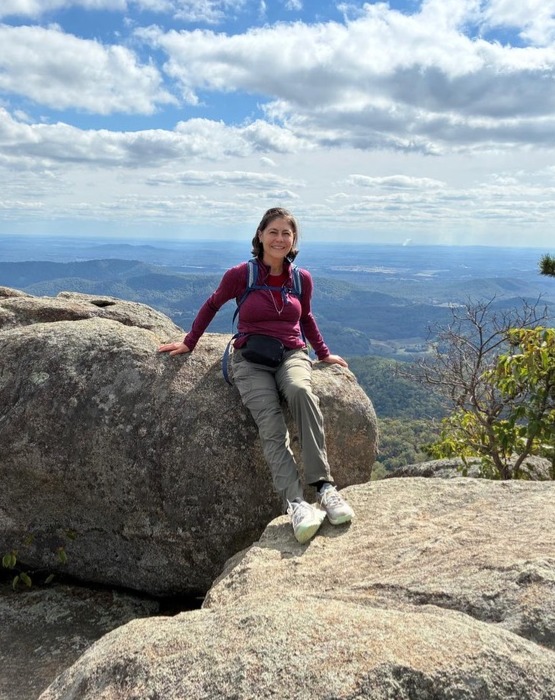
Gbaike Ajayi (she/her) started her gardening journey in Nigeria and continued after moving to the United States as a young girl. While living in Kansas, Missouri, and Minnesota, she grew a variety of plants and vegetables in backyard, balcony, and community gardens. Since moving to Maryland over a decade ago, she has become a Master Gardener in Prince George’s County, and is an advocate for sustainable gardening practices as well as using gardening to promote nutrition and food access. With experience in global public health, she is passionate about helping to create healthy spaces for people and wildlife.
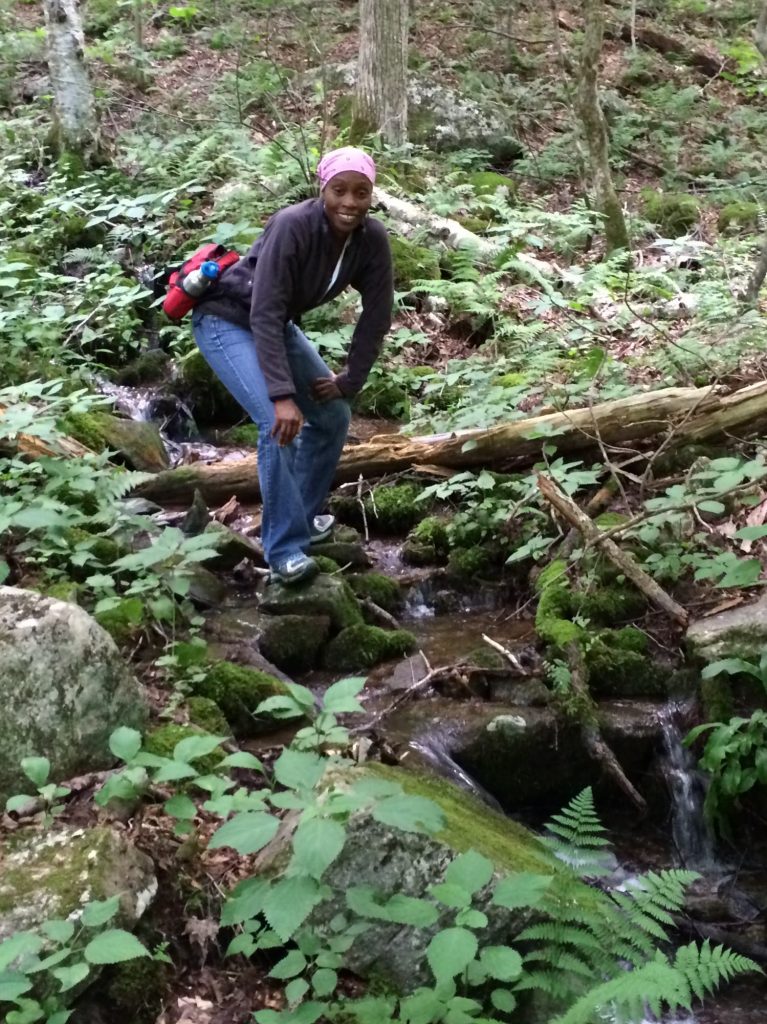
Janet Hostetler (she/her) grew up in Maryland and currently tends and studies over 250 locally native plant species at Phlox Hill, Bloom Wild’s test/demonstration garden. A PG County Maryland Master Gardener and certified Chesapeake Bay Landscaping Professional, Janet started Bloom Wild to help people increase the ecological value of their outdoor space. She designs & installs native plant gardens, & provides consultations and coaching. A recovering lawyer, Janet has found her passion in using the magic of nature to create art in the garden.

Mimi Abdu (she/her), originally from Ethiopia, is a lifelong gardener with a passion for, and expertise in, native plants. A Master Naturalist, expert weed warrior, and certified Chesapeake Bay Landscaping Professional, she has lived in Maryland for over two decades. She is currently wrestling a native plant garden out of a half-acre of invasive plants. Alongside a 20-year career in biotech, Mimi joined Bloom Wild part-time to inspire sustainable gardening practices with a focus on watershed and habitat stewardship.

Frequently Asked Questions
How do you define locally native?
- We respect that there are many ways to define “locally native” so we aim for transparency. Unless indicated otherwise, the plants we use in our designs & installations are straight species and have been documented to be native within one or more of the ecoregions in Maryland.
- We occasionally sell plants that have not been specifically documented as native to Maryland, but are native to the Chesapeake Bay watershed, or to the mid-Atlantic, or to the southeast US. These plants are always labeled clearly as such.
- At our plant sales, we rarely sell cultivars of native species (sometimes known as “nativars”), when we do, those are also clearly marked.
- It is important to us to say up front that the term “native” has no meaning if not geographically constrained. All species of plants are native somewhere- and all of them provide ecological value where they evolved. The plant species themselves are not “good” or “bad.”
Where are your plants from?
- In the past, Bloom Wild grew many of its own plants from seed. Currently, we are focused on providing services to our clients and we are not currently growing or selling plants on site. Most of the plants we sell, therefore, come from local area growers. ALL of the growers we work with are responsible and NEVER wild harvest plants or use neo-nicotinoids that are so harmful to living beings.
- We prioritize using growers that:
- are located in Maryland or an adjoining state
- primarily (or solely) grow native plants
- grow plants from seed, and preferably local ecotype seeds.
Do you use pesticides & fertilizers? Peat moss?
- We never add chemical fertilizers.
- We practice integrated pest management so we never use pesticides, preferring manual or biological control measures where necessary.
- If the plant comes in a grower’s own potting soil, we do not replace it. If we need to add soil, we use our own peat-free potting soil. We prefer peat-free potting soil because of the environmental damage that occurs when harvesting peat. Our homemade soil mix includes pine bark, compost, coco coir, and rice hulls.
What plants will the deer leave alone?
- No plants are deer-proof.
- We say “deer resistant” describe plants that *in our experience* tend to survive at least a medium level of deer pressure. “Survive” can mean that it is chewed on but the plant survives or that it is left alone.
- Some of the things that might make a plant deer resistant
- Texture: fuzzy/hairy leaves, ferns, and grasses are often left alone.
- Aroma: plants with a strong smell, including many plants in the mint family, are less enticing to deer.
- Toxicity: whenever possible, deer will avoid poisonous plants- like those in the milkweed family.
- So many caveats to this: deer palates are variable between different herds and geographic areas and can change over time. Starving deer will eat anything. Young deer will try everything. The best source of information on what deer leave alone is to watch what is doing well in your neighborhood. Some plants do not release toxins until they have been stressed (read: nibbled upon) or stop releasing the toxin once they have put out seeds. But, final caveat, deer don’t read lists and don’t really care what they are supposed to do.
What payment types are accepted?
We accept most forms of payment (cash, check, credit cards, Zelle, Venmo, ApplePay, GooglePay, etc) and we do not charge extra for using a credit card. (But if you want that 3% to go to us instead of the credit card company, we invite you to use one of the other payment methods!)
